Nishanta “Nishi” Rajakaruna
B.A. Human Ecology, College of the Atlantic, Maine – 1994
M.S Botany, University of British Columbia, Canada – 1998
Ph.D. Botany, University of British Columbia, Canada – 2003
Postdoctoral Fellow, Stanford University, CA – 2003-2004
My Bio
My CV (PDF)
===
Research Associates (Winter 2020-)
Ryan O’Dell
B.S. Plant Biology. University of California, Davis (2002).
M.S. Soils and Biogeochemistry. University of California, Davis (2005).
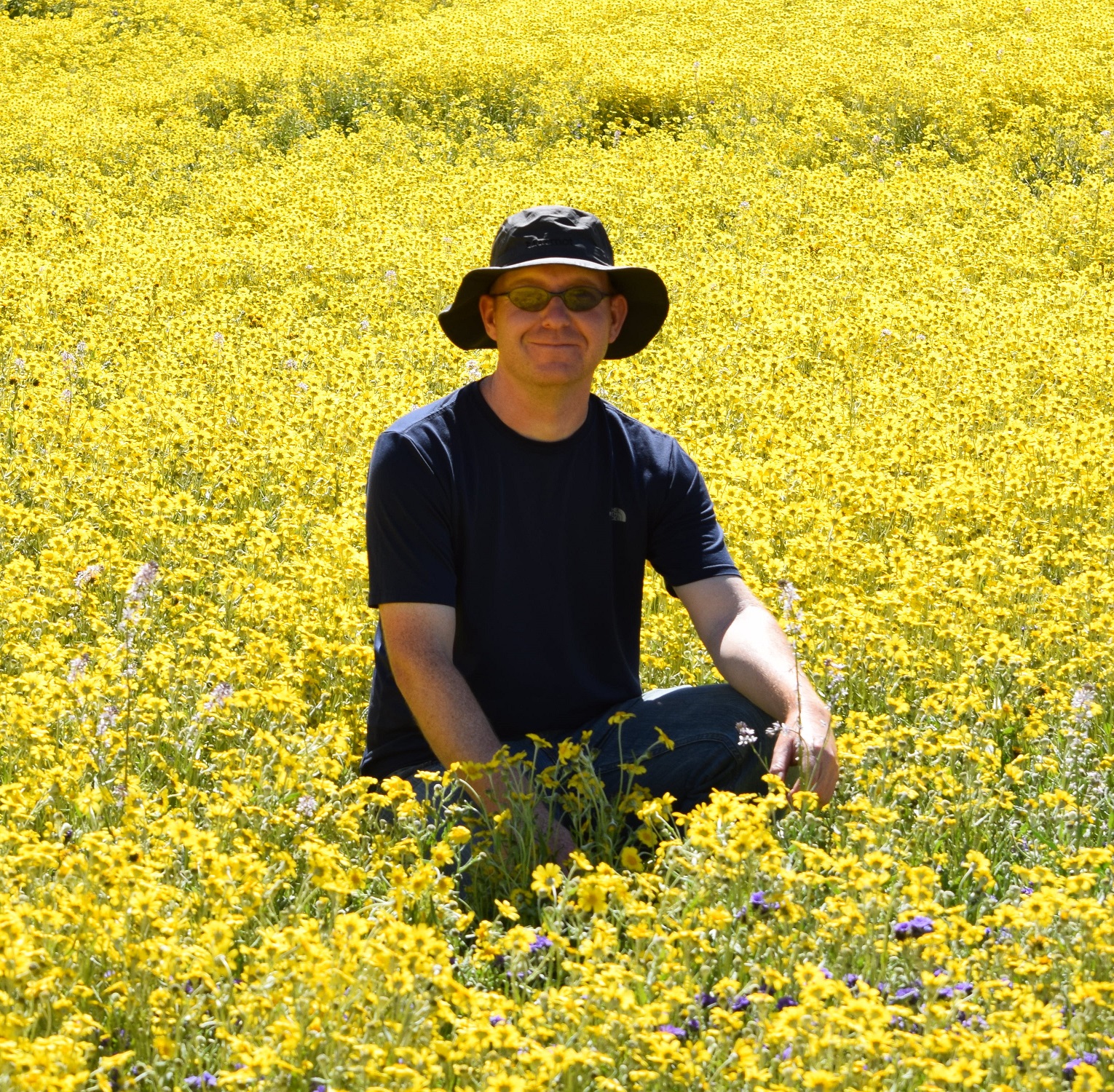
Ryan is a Natural Resource Specialist (Botany/Soils/Paleontology) with the Bureau of Land Management (BLM) Central Coast Field Office in Marina, California (since 2007). The BLM Central Coast Field Office manages about 300,000 acres of Federal public lands in the South Coast Ranges – mostly in Santa Cruz, Monterey, San Benito, and Fresno Counties (western portion). His education and training is in terrestrial plant ecology and soil science with an emphasis in wildland ecosystem processes, restoration, and rare plant species conservation. The focus of his work with BLM is rare and endangered plant species conservation and recovery and understanding how land use and natural ecosystem processes influence vegetation type and individual plant species distribution and abundance. He is particularly interested in plant edaphic endemism and plant species distributions with respect to geology, soil type, topography, and climate. Most of his recent work on extreme substrate plant ecology has been on serpentine at San Benito Mountain (southern San Benito County) and saline, vertic clay soils in the San Joaquin Desert (western Fresno County). Ryan specializes in the species taxonomy and ecology of the plant families Onagraceae (Camissonia), Polemoniaceae (Gilia), annual Brassicaceae (Caulanthus-Streptanthus), and tarweeds in Asteraceae.
Ryan’s CV
===
Michael Mulroy
B. A. Environmental Analysis (Biology Concentration), Pomona College, Claremont, CA (2010)
M. S. Biological Sciences, California Polytechnic State University, San Luis Obispo, CA (2023)
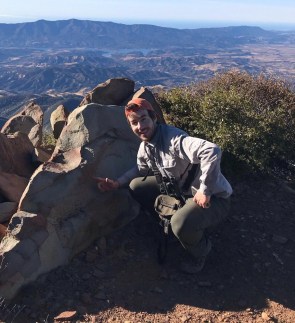
Michael works locally as a biologist for Althouse and Meade, Inc. He is a recent graduate of the Geoecology Lab at Cal Poly SLO, where he received his M.S. in Biological Sciences. Michael’s research has focused on lichen communities of ultramafic rocks and soils, including the factors that shape their taxonomic composition as well as their similarities and differences from lichen communities of other non-ultramafic rocks and soils. Michael is also broadly interested in the role of rock outcrops in maintaining landscape-level biodiversity, as well as interspecific interactions between lichens and other organisms. When he isn’t looking at lichens, Michael may be found birding enthusiastically around SLO or admiring vascular plants.
Michael’s CV
===
Eli Balderas
B. S. Environmental Studies, University of California, Santa Barbara (2019)
M. S. Biological Sciences, California Polytechnic State University, San Luis Obispo (2023)
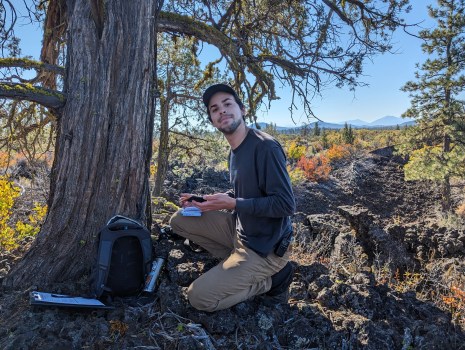
Eli resides in South Lake Tahoe, CA where he works for the State of California Lahontan Regional Water Quality Control Board as a Scientific Aide. He is a graduate of the Geoecology Lab at Cal Poly SLO, where he received his M.S. in Biological Sciences. For Eli’s master’s thesis, he assessed the status of the Critically Endangered lichen, Sulcaria isidiifera, which is only known to occur on the coast of central California in San Luis Obispo County. As part of this work Eli carried out a translocation study to determine feasible methods for the conservation of rare, epiphytic lichens like Sulcaria isidiifera. Eli is currently pursuing state and federal Endangered Species Act listing for this species, which would make it the third lichen in the United States, and the first lichen in California to attain these designations. By carrying out this work, Eli hopes to raise public awareness about understudied taxa such as lichens, and pave the way to gain legal protections for other threatened species that are often overlooked.
Eli’s CV
===
Current Graduate Students
Mike Butler (Fall 2024-)
BS in Environmental Science and Policy, Minor in Biology, California State University, Long Beach – 2022
Mike’s CV

Mike’s Project: Climate change is projected to cause the extinction of many species worldwide, and 4-13% of plant species could become extinct by 2100. In California, both an increase in average temperatures, and in the frequency and severity of droughts is expected. Where this renders local conditions inhospitable, species must disperse accordingly to avoid extinction. However, in the case of plants restricted to azonal soils (such as serpentine) the discontinuous distribution of these soils may make this dispersal unlikely. Chorro Creek bog thistle (Cirsium fontinale var. obispoense, hereafter C.f.o.) is a listed endangered species found only in San Luis Obispo County. This biennial to short-lived perennial aster is both serpentine endemic and restricted to seeps, and the U.S. Fish and Wildlife Service considers climate change a major threat to this taxon. If prolonged droughts cause serpentine seeps supporting C.f.o. to run dry in the future, then local extirpations are likely to occur. If at the same time, previously unsuitable areas become suitable under changing climatic and hydrologic conditions, C.f.o. may be able to establish new populations. My research will comprise Species Distribution Modeling with projected climatic and hydrologic data, as well as a study of seed dispersal in C.f.o at Irish Hills and Laguna Lake Natural Reserves. Taken together, these studies will inform management decisions as our climate changes, and to what extent interventions may be necessary to prevent the extinction of C.f.o and other serpentine seep endemics in the future.
===
Past Graduate Students (2017-2023)
Paul Excoffier (Fall 2017-Spring 2022): Defended 06-08-22
B.A. Human Ecology, College of the Atlantic, Maine – 2015
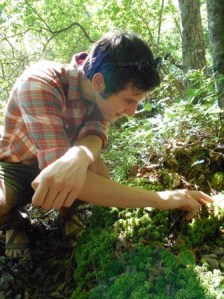
Paul’s CV
Paul’s Project: Seed Longevity and Climate Tolerance of San Joaquin Woolly Threads (Monolopia congdonii)
Thesis Abstract: San Joaquin wooly-threads (Monolopia congdonii; Asteraceae) is a federally listed, endangered annual plant species from the desert areas of the San Joaquin Valley. Its limited range puts it at risk of extinction if the climate changes in such a way as to hinder its growth and reproduction. The primary aims of the study were to 1) determine how long-lived the seeds of the M. congdonii are, a key determinant of survival of desert annual plant populations through long droughts and 2) determine how severely hotter, drier conditions impact the ability of emerged plants to grow and reproduce. Secondarily, I aimed to test two hypotheses 1) is seed longevity within the genus Monolopia correlated with habitat aridity? 2) do species’ geographic range limits represent their climatic tolerances? In testing the viability of seeds of Monolopia species collected from herbarium specimens and old field collections, I did not find evidence for the predicted pattern of seed longevity. Though, idiosyncrasies in the data suggest possible issues with the longevity of M. congdonii seeds that are collected prematurely and warrant further investigation to develop best practices for seed collections of this species. To test the climatic tolerance of M. congdonii and the relationship between geographic range and climatic tolerance, I grew several desert annual species under three manipulated water treatments. And while, M. congdonii failed to germinate, the other species showed variable tolerance for the drought treatments but this variability was seemingly unrelated to the species’ geographic range. Importantly, Monolopia lanceolata, a close relative of
M. congdonii did not show exceptional vulnerability to the drought-stress conditions relative to other co-occurring species. Taken together, the results of this study enable better informed population viability analyses with the end goal of allowing recovery efforts to succeed.
Where is Paul Now?
Associate Vegetation Ecologist, California Native Plant Society
==
Rosie Murphy-Deak (Fall 2019-Winter 2022): Defended 03-14-22
B.S. Environmental Science and Management, UC Davis – 2013
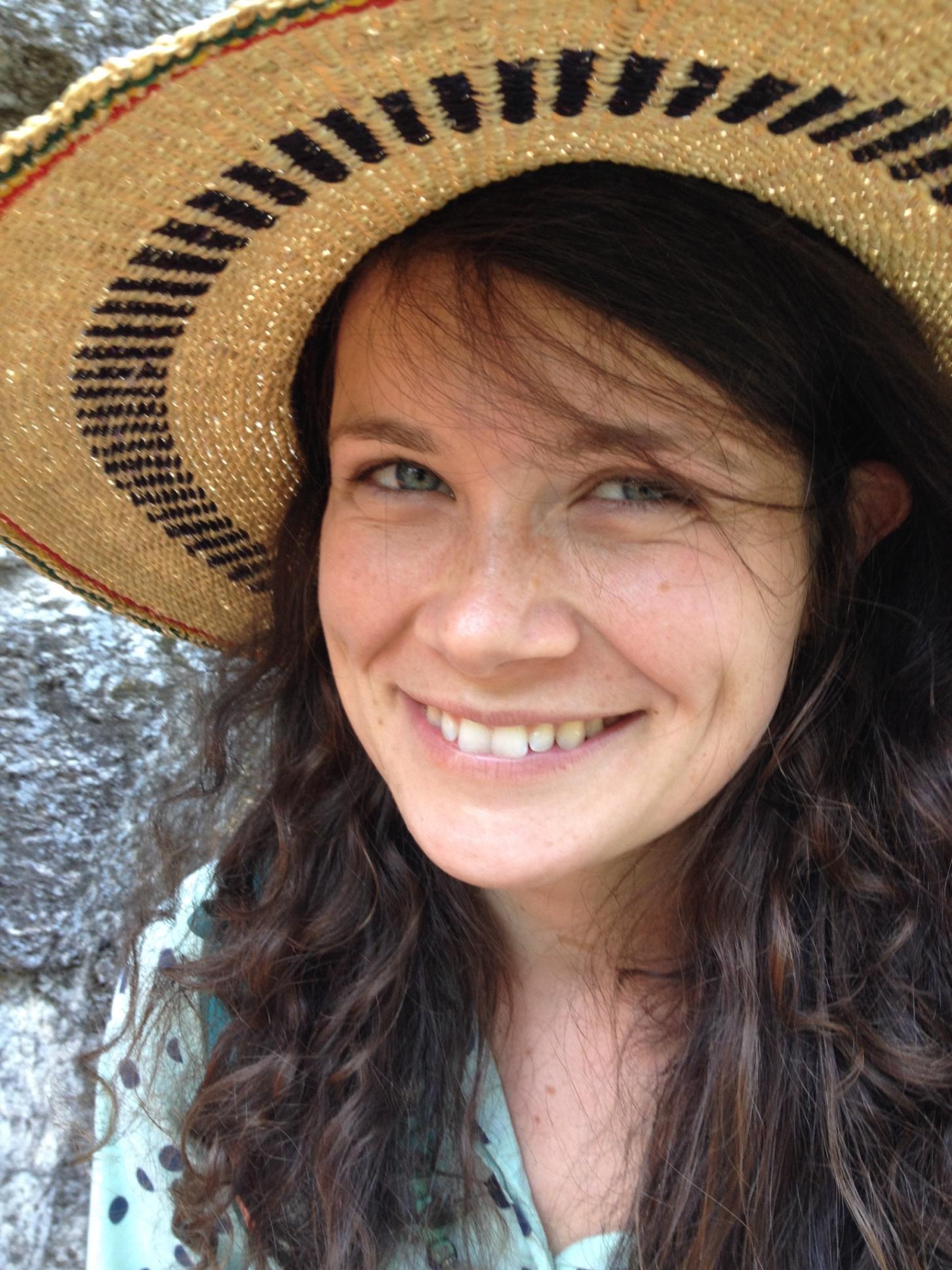
Rosie’s CV
Rosie’s Project: In collaboration with the United States Forest Service, Rosie’s project aims to track the effects that a controlled burn has on a meadow named Mesa Bluff in the San Bernardino mountains. The goal of the fire treatment is to reduce invasion from Pinus contorta in the meadow, which has also been manually thinned. The study would focus on botanical communities, hydrogeomorphic conditions, and the surrounding forested area before and after the burn. The goal of the research is to assess whether fire has a positive influence on meadow composition, which could be defined as having more species and or having more obligate wetland species.
Thesis Abstract: The impact of forest fires on downstream meadow communities across California is of great ecological interest, as meadows are an important source of biodiversity in this region. Over a century of fire suppression has led to increased forest stand densities which in turn has resulted in less water availability due to increased transpiration of densely growing trees. This potentially has left less available water for downstream plant communities in meadows. If true, then high mortality wildfires in surrounding forest are predicted to lead to an increase in available downstream moisture where obligate and facultative-wetland taxa increase and dry-adapted upland taxa decline. Here, we test this hypothesis using a dataset of 103 California montane meadows sampled before and after fire over the last 20 years. Using long term meadow monitoring data, compositional turnover is calculated for each plot from before and after fire and then evaluated against the area of 100% mortality, postfire relative-precipitation, meadow type, and proximity of the meadow to fire. We hypothesize that mortality, post-fire precipitation, and site type influence compositional turnover in meadows, regardless of proximity to the burn area. We find that compositional turnover is influenced by mortality but not by meadow type, relative precipitation, or the proximity to fire perimeter. Specifically, turnover was greater in meadows in higher mortality catchments. We then used a combination of linear models and NMDS to determine whether specific functional groups were driving higher turnover rates, expecting increases in obligate and facultative-wetland groups following high mortality fires. However we found no evidence for this. The high variation amongst meadows and their respective fire histories yielded no consistent shifts in community composition. Our findings highlight that landscape scale fire effects can interact strongly affect plant communities outside of fire perimeters, but that this does not lead to predictable shifts in wetland community composition. As fire behavior and drought are projected to become more extreme, we can expect that meadow composition will continue to change but not in predictable ways in regards to meadow health scores.
Where is Rosie Now?
Botanist, Six Rivers National Forest, US Forest Service
==
Michael Mulroy (Fall 2019-Winter 2023): Defended 1-10-23
B.A. Environmental Analysis, Pomona College, CA – 2010
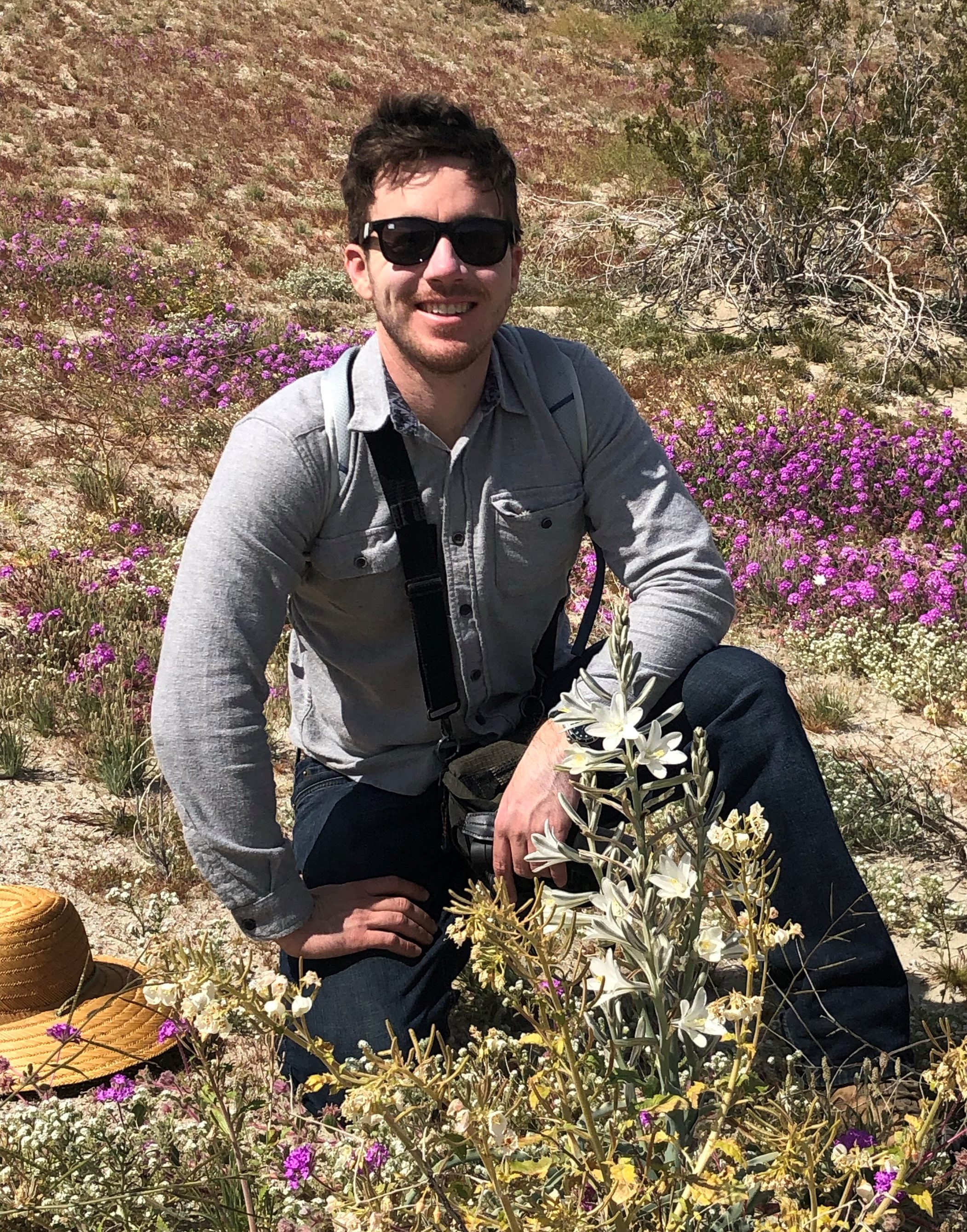
Michael’s CV
Michael’s Project: Ultramafic substrates are widely known for their unique vascular plant communities that result from the harsh conditions presented by ultramafic substrates. However, lichens of ultramafic substrates have received comparatively little attention, and interestingly do not appear to share most of the characteristics – high levels of endemism, low cover and diversity, and ecotypes, to name a few – commonly observed in ultramafic vascular plant communities. I am quantitatively comparing saxicolous lichen communities of serpentine and sandstone outcrops in coastal central California coast in order to better understand the role of substrate properties, climate, and microtopography on lichen community composition. My research demonstrates the effects of these abiotic factors on patterns of observed lichen assembly. Additionally, we have recorded several notable range extensions and records of rare lichen taxa that have resulted from our sampling. In 2022, we published a review of lichens of ultramafic substrates in North America in the journal Botany.
Where is Michael Now?
Biologist, Althouse and Meade
==
Eli Balderas (Fall 2020-Fall 2023): Defended 12-15-2023
B.S. in Environmental Studies, University of California Santa Barbara (2019)
Eli’s Thesis Presentation (12-15-23): Click Here
Topic: Distribution and ecology of Sulcaria isidiifera, the splitting yarn lichen, a rare endemic restricted to parts of San Luis Obispo County
Eli’s Project: Sulcaria isidiifera is a critically endangered lichen endemic to the coast of San Luis Obispo County. To assess the status of this endangered species, Eli is conducting full-count population surveys throughout the extent of S. isidiifera’s range. Eli is also characterizing the vegetation and lichen communities of the unique maritime chaparral habitat in which S. isidiifera occurs. In addition, his project will determine the viability of assisted migration for this rare lichen to aid in the conservation of this species. Using these data, Eli hopes to obtain federal listing status for S. isidiifera under the Endangered Species Act, making it only the third lichen in the United States to obtain this designation.
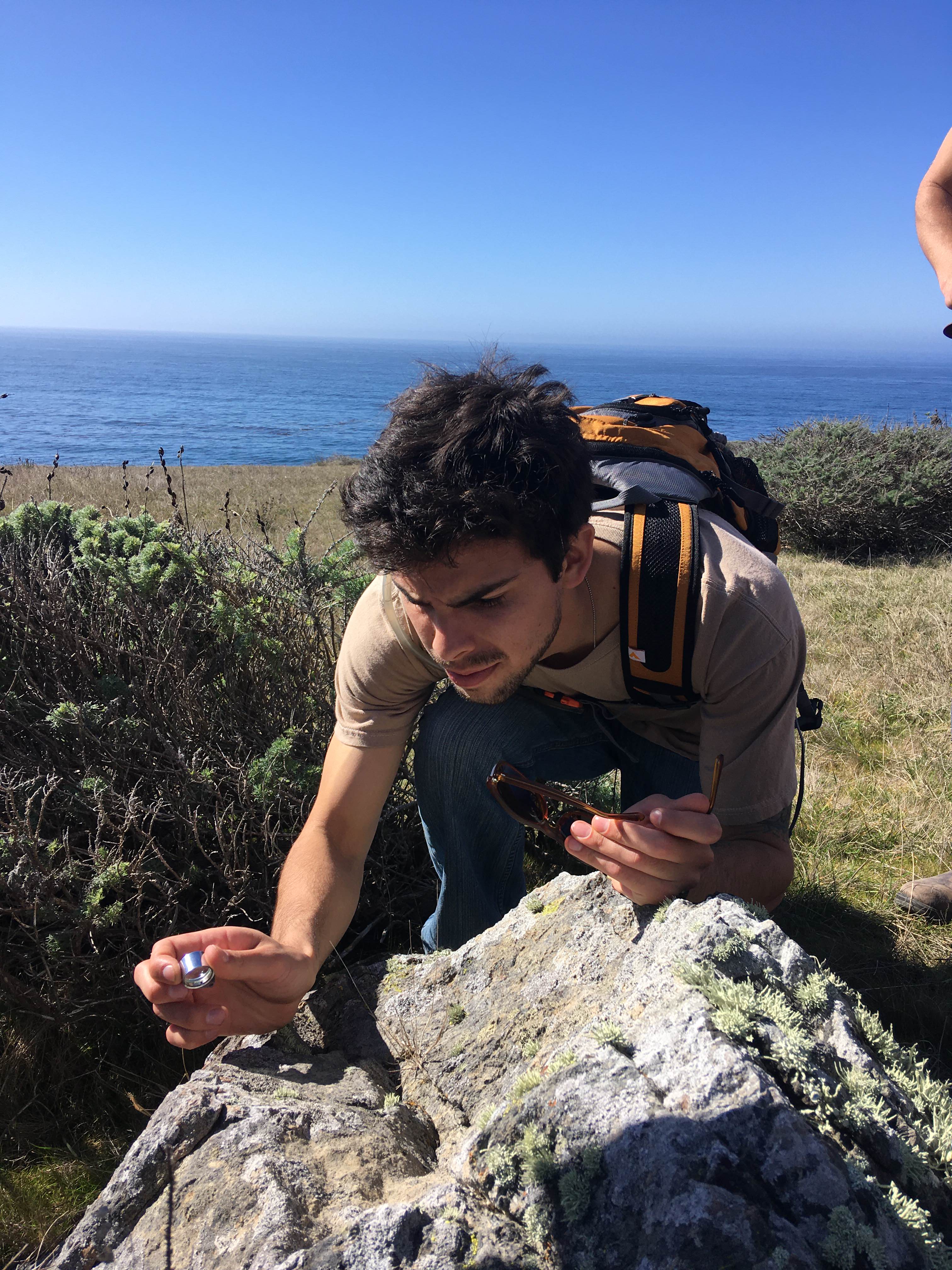
Eli’s CV
Where is Eli Now?
Environmental Scientist, State of California Lahontan Regional Water Quality Control Board
==
Emma Fryer (Fall 2020-Winter 2023): Defended 3-13-23
B.S., Botany, summa cum laude. Humboldt State University, CA (2016)
Topic: Ecology of vertic clay-endemic plant communities of the San Joaquin Desert & quantifying clay endemism in California’s flora
Emma’s Project: My thesis project focuses on a community of annuals found in the San Joaquin Desert of California, which are strongly associated with vertic clay soils and grow in a distinctly “patchworked” spatial distribution. Vertic clay soils are a unique and challenging substrate for plants, and my study community presents the opportunity to examine a unique combination of substrate specialization, habitat heterogeneity, and competition in plant communities. I am working to determine how these factors are affecting coexistence within this community through a combination of fieldwork and a reciprocal transplant greenhouse study. Additionally, as soils develop emergent properties with higher clay content which may require adaptation and specialization from plants, I am also working to assemble and quantify a preliminary list of clay-associated species in California’s flora.
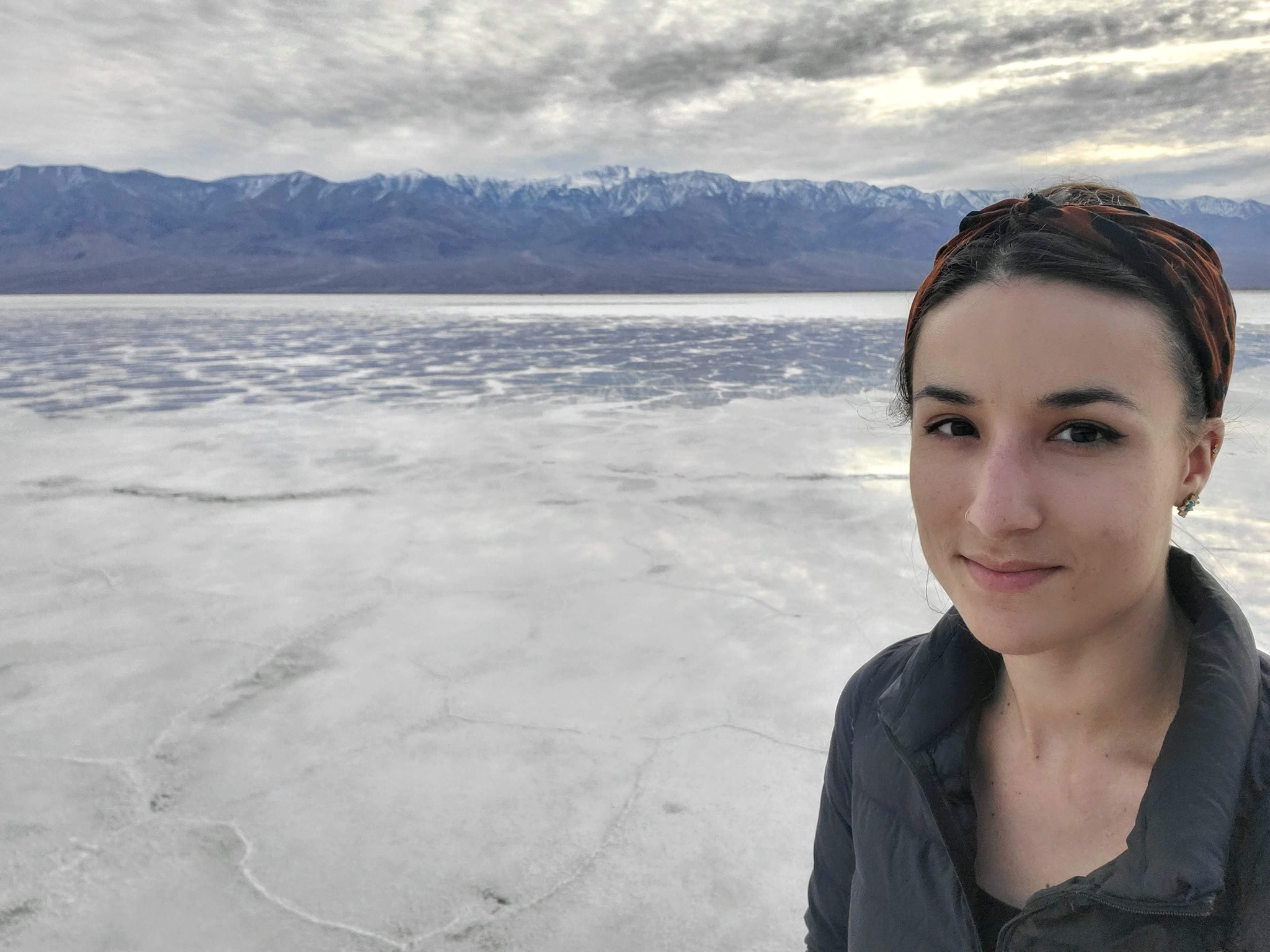
Emma’s CV
Where is Emma now?
Ph.D. Student, Plant Ecology Group, Institute of Integrative Biology, ETH Zürich
===
Undergraduate Research Students (Cal Poly, 2018-current)
Anthony Fererro, Peter Walsh, Zach Raposo, Chris Howington, Gabi Orta, Michael Bridgeman, Sam Farrow, Mary Devlin, Cora Bishop, Dylan Stephens, Jackie Duerksen, Sean Whitlock, Charlotte Miranda, Morgan Morris, Jordan Gosse, Freddie Mayer, Sophie Parr, Amanda Gersoff, Sophia Forstmann, Aidan Inoue, TJ Samojedny, Skyler McKinnon, Alyssa Shon, Gilbert Yu, Matthew Shaffa, Chloe Hodge, Kate Lima, Jujú Eulensen-Wallace, Rebekah Shane, Pierre Cannarsa, Hadara Gordon, Bella Suhr, Reenu Kutty, Michael Gottlieb, Jack Poole, Lili Menkal, Carson Sanzone, Avery Humber, Alek Koss, Mollie Bressler, Tyli Stewart, Jacob Mull, Annelise Burrows, Erin Sullivan
 Nishanta "Nishi" Rajakaruna